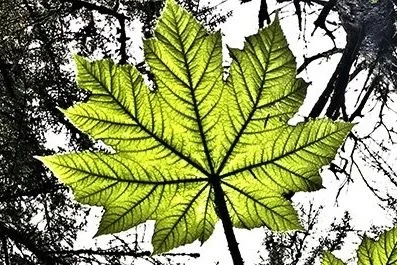


When you feel its sting, you understand why it’s called Devil’s Club. But how did it get its name? We look into the sources to find the names this prickly plant has gone by throughout history.
Marcia Biederman is the author of Attic Wife, the true story Agnes McAlpin Young, a Haida woman who married into a well-to-do Pennsylvania family during the Klondike Gold Rush. When her husband and in-laws turn against her, she’s forced to fight for her life and those of her children.
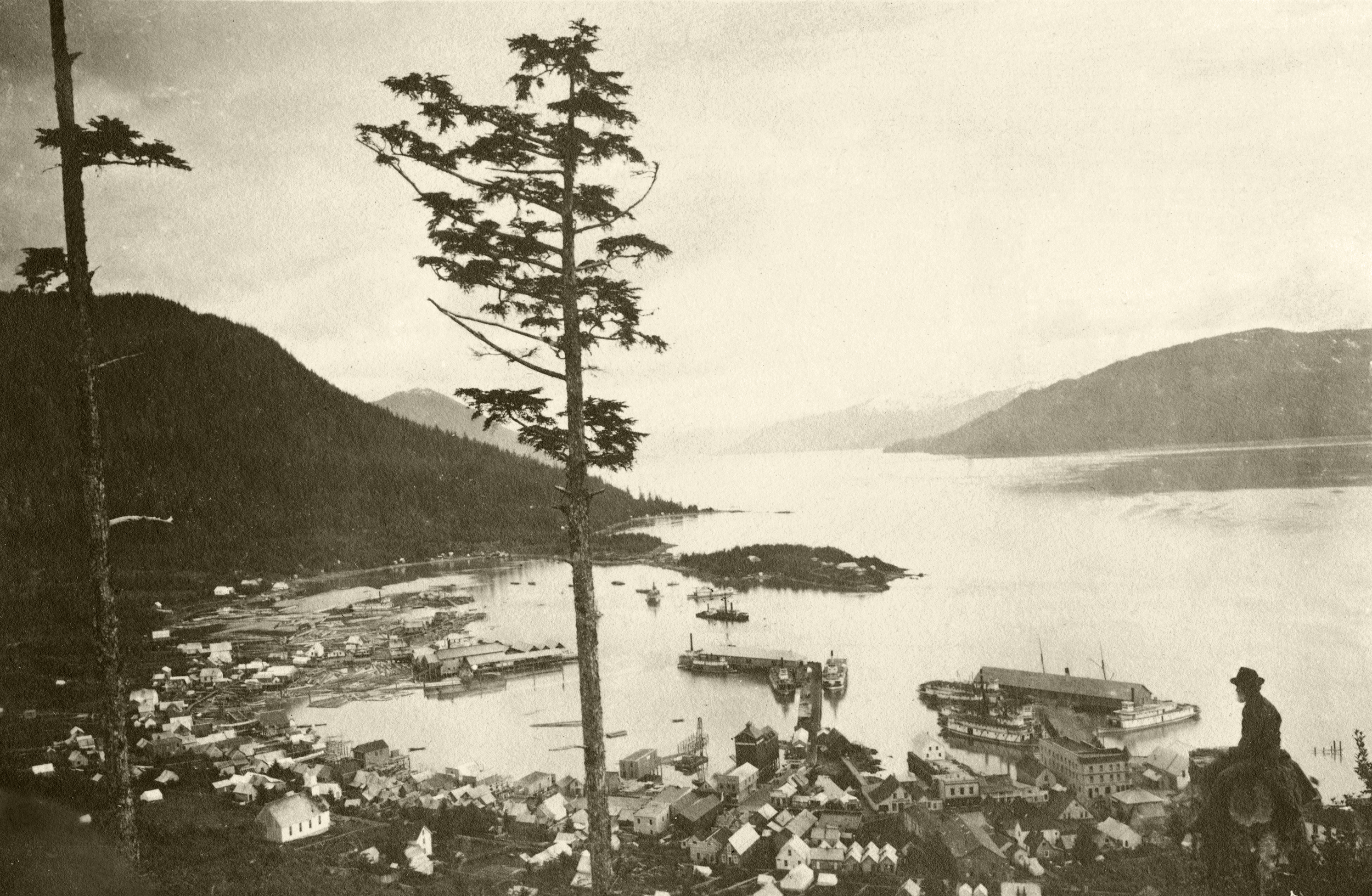
As the Ku Klux Klan rode a second wave of popularity into the 1920s, almost no place in America was spared — including Alaska. New research sheds light on the Klan’s attempt to infiltrate Wrangell through a crafty con-man and an outgoing machine shop owner.
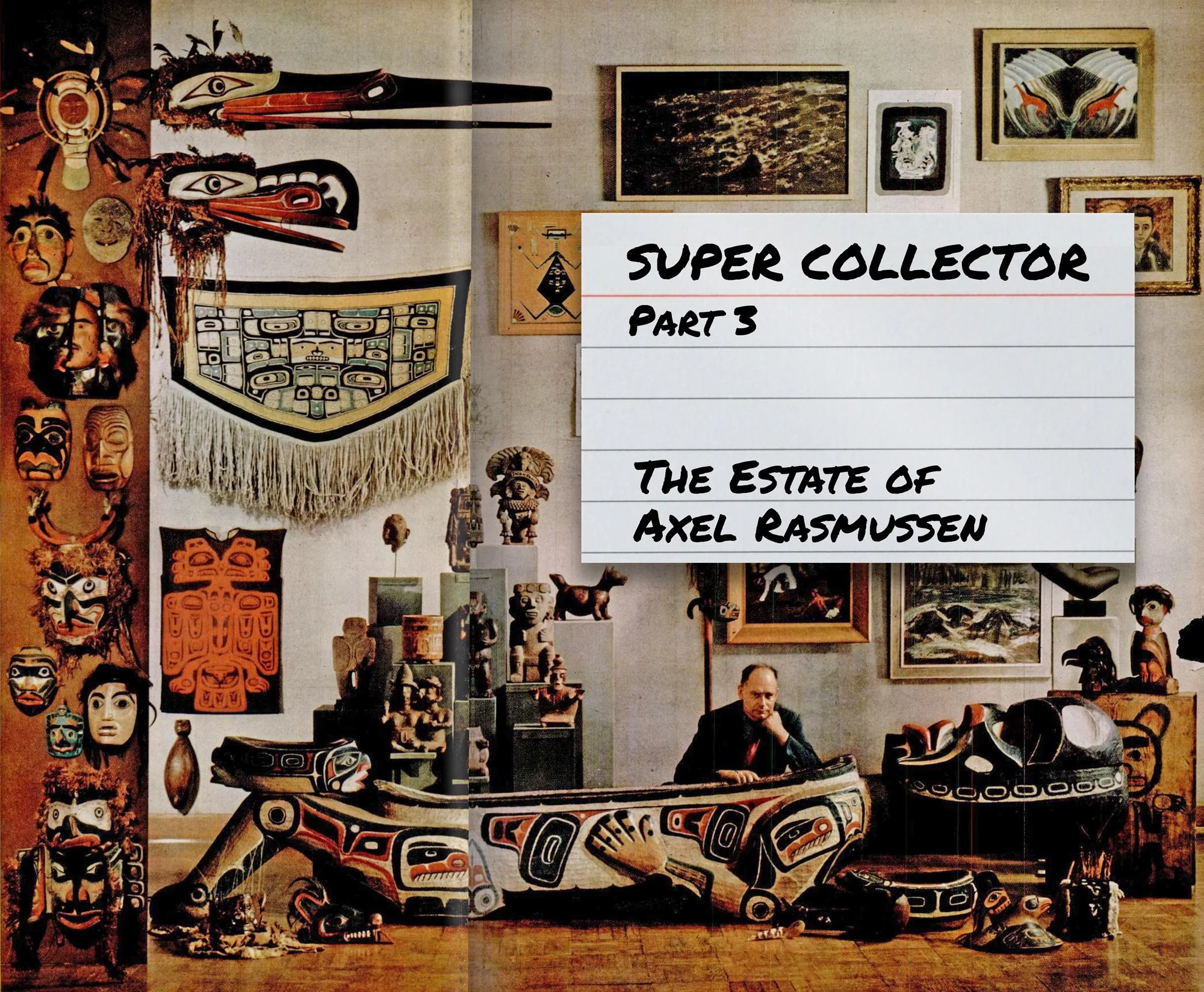
Just as quietly as Axel Rasmussen amassed his collection, so too was it sold and shipped out of Alaska, where most of it resides in the Portland Art Museum today. His legacy is the collection he built and the hole it left when it went away.
Axel Rasmussen had an ambitious plan to own and operate Shakes Island as a private museum, but his quest to purchase the island came up against resistance from Wrangell locals and the U.S. federal government.
After less than twenty years in Alaska, Axel Rasmussen amassed a collection of Native American artifacts so large it could fill a museum. But how did he do it? In Part 1, we look at Axel Rasmussen’s journey from Indiana to Alaska and the beginning of his collection.